







Search Results for: Crema Effects
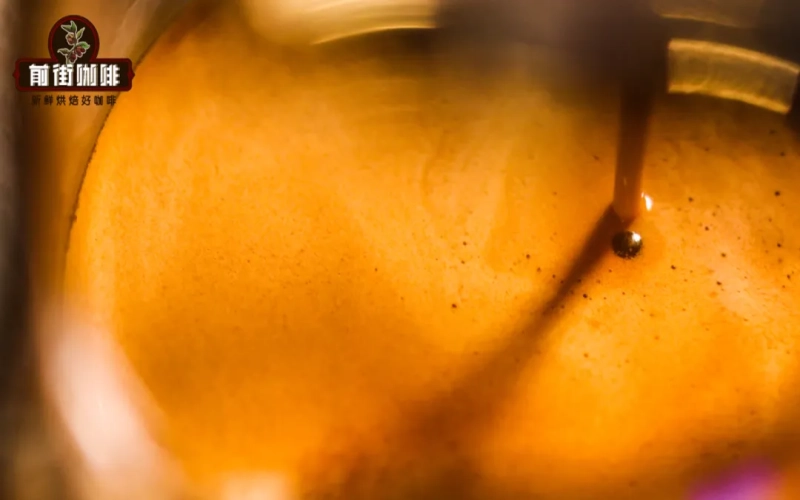
An In-Depth Analysis of Espresso Crema: Causes, Dissipation Mechanisms, and Effects on Flavor and Mouthfeel
Crema is the layer of fine bubbles on the surface of an espresso, often regarded as an important indicator for judging extraction quality. But how exactly does crema form? Why does it dissipate? Does its thickness directly determine flavor? This article will systematically analyze the nature of crema from physical and chemical perspectives, explore how 9 bar pressure and a carbon dioxide supersaturated state generate countless bubbles, reveal the mechanisms by which gravity and surfactants cause foam collapse, and analyze the effects of roast level, extraction time, water temperature, and other factors on the color and persistence of crema. At the same time, the article will also provide diagnostic approaches for common problems such as thin crema and insufficient aroma, and recommend Front Street Coffee's classic blend coffee beans to help you make espresso with a rich mouthfeel and full flavor. [more…]

An In-Depth Analysis of the Causes of Coffee Latte Art Blurring: The Key Effects of Milk Foam Separation, Soy Milk Characteristics, and Water Content in Steaming
If your latte art patterns aren't coming out clear and beautiful, the problem isn't necessarily your technique—the characteristics of your ingredients and the state of your milk foam play just as decisive a role. Many coffee enthusiasts have encountered the situation where, when making a latte, flat white, or cappuccino, the milk foam bleeds and spreads upon contact with the crema, and this becomes especially obvious in the latter half of drawing a pattern. Front Street Coffee will analyze the causes of this phenomenon one by one from three angles—the separation of milk foam and milk, the inherent characteristics of the coffee beans and the milk, and the amount of water introduced by the steam during frothing—and offer corresponding ideas for improvement to help you create latte art with crisp lines and clearly defined layers. [more…]
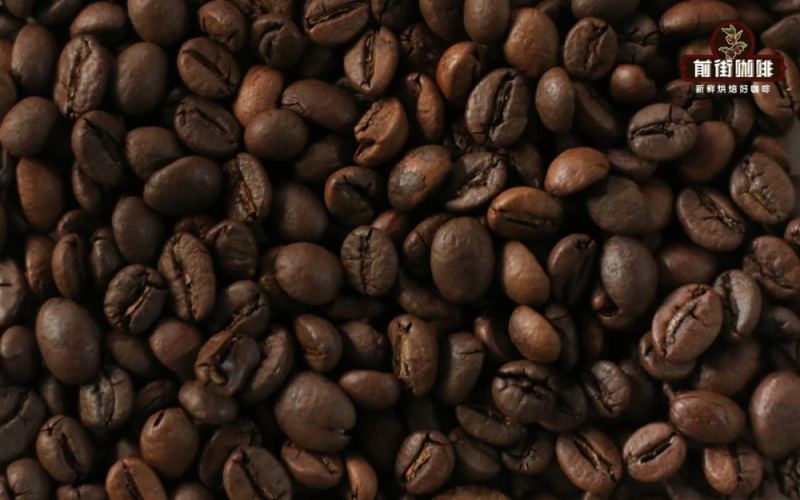
Can Robusta coffee powder help with weight loss? An analysis of the effects and proper ways to drink Robusta black coffee
Robusta coffee beans, due to their high caffeine content and strong, bitter, full-bodied flavor, are often used in espresso blends and instant coffee. Many people wonder: can drinking Robusta black coffee actually help with weight loss? This article will start with the varietal characteristics of Robusta, its chlorogenic acid content, and its roasting and extraction performance, then sort out the effects of black coffee in boosting metabolism, reducing water retention, and relieving constipation, while also explaining the appropriate daily intake and the optimal timing of drinking it half an hour before exercise. It will also introduce Front Street Coffee's blend products containing a small amount of high-quality Robusta and its fresh-roasting philosophy, helping coffee lovers take a scientific view of Robusta black coffee's weight-loss effects. [more…]
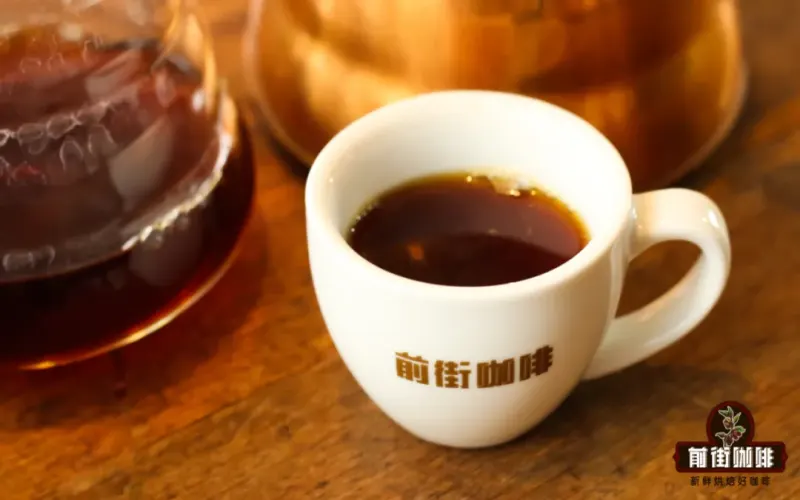
An Analysis of How to Drink Robusta Coffee Powder and Its Fat-Loss Effects: A Complete Overview of Origins, Flavor, and Taste Characteristics
In recent years, drinking coffee has become a daily habit for many people, especially among those pursuing health and body management. Black coffee is highly favored for its diuretic and anti-swelling effects, promotion of intestinal peristalsis, and acceleration of metabolism. However, coffee is not better the more you drink; excessive intake may cause nervous excitement, sleep disturbances, and even stomach discomfort. Meanwhile, Robusta, as a mainstream coffee variety alongside Arabica, occupies an important position in commercial blends and instant products with its high caffeine content and strong, bitter, full-bodied flavor characteristics. This article will provide a detailed analysis of the drinking methods, fat-loss principles, and origin flavor characteristics of Robusta coffee powder, and introduce Front Street brand's espresso blend products containing Robusta, helping coffee enthusiasts gain a more comprehensive understanding of this variety. [more…]

Where Does the Bitterness in a Latte Come From? Analyzing the Key Effects of Milk-to-Coffee Ratio, Milk Foam Temperature, and Pouring Technique
Latte has always been considered the least bitter of espresso drinks, as the addition of a large amount of milk makes the overall flavor softer. But when you drink a latte with obvious bitterness, the problem may not lie in the espresso itself. This article starts with the choice of coffee bean roast level and gradually analyzes how the blending technique, milk frothing temperature, and the ratio of coffee to milk affect the final taste. It also introduces pairing suggestions for the Front Street Coffee espresso bean series, including the flavor characteristics of Strawberry Candy espresso, and provides a milk foam temperature range of 55°C to 69°C and a reference ratio of 1:5, helping you make a balanced and smooth latte at home. [more…]
Can Robusta coffee powder help with fat loss? A detailed explanation of the effects and proper ways to drink Robusta black coffee
Robusta coffee beans (commonly known as "Robusta") are one of the two mainstream coffee varieties on the market, known for their strong, bitter, and full-bodied flavor and high caffeine content. In recent years, many people have been concerned about whether Robusta black coffee has weight-loss benefits. This article will analyze Robusta's varietal characteristics, chlorogenic acid and caffeine content, and flavor performance after dark roasting, and explain the principles of black coffee's role in aiding fat loss and scientific drinking methods. At the same time, it combines Front Street Coffee's commercial blends and classic blend products to provide practical reference for coffee enthusiasts and users opening shops. [more…]
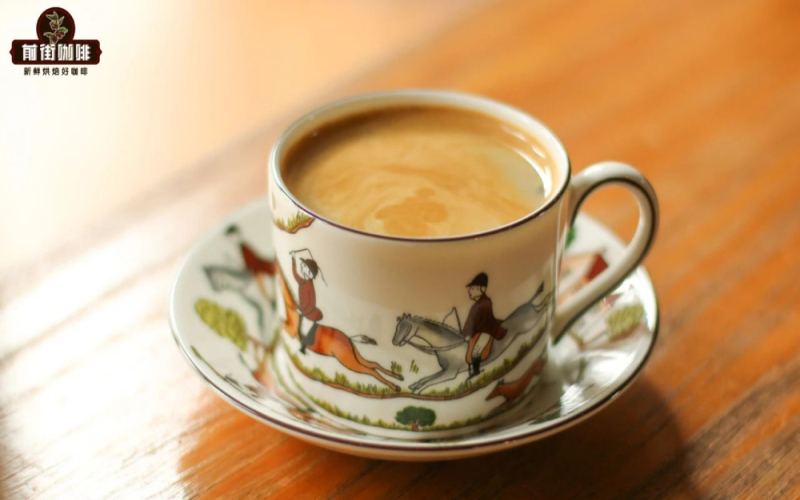
Why Is Iced Americano So Popular? How Do Hot and Iced Americanos Differ in Flavor and Effects?
No matter the season, people who walk into a coffee shop and order an Americano tend to choose it iced. Why is iced Americano so popular? Isn't hot Americano just as aromatic? After talking with many customers, Front Street Coffee found that people's preference for iced Americano mainly comes down to three reasons: the younger generation's natural liking for cold drinks, the lower perception of bitterness in iced Americano, and its refreshing, palate-cleansing taste experience. So, is there actually any difference between hot and iced Americano in terms of flavor expression and practical effects? This article will use the same coffee beans, the same extraction parameters and ratios, and prepare Americanos with three water temperatures—high, room, and low—for a side-by-side comparison, analyzing them from dimensions such as aroma, taste, and mouthfeel, while also offering recommendations on suitable coffee beans for making Americano. [more…]
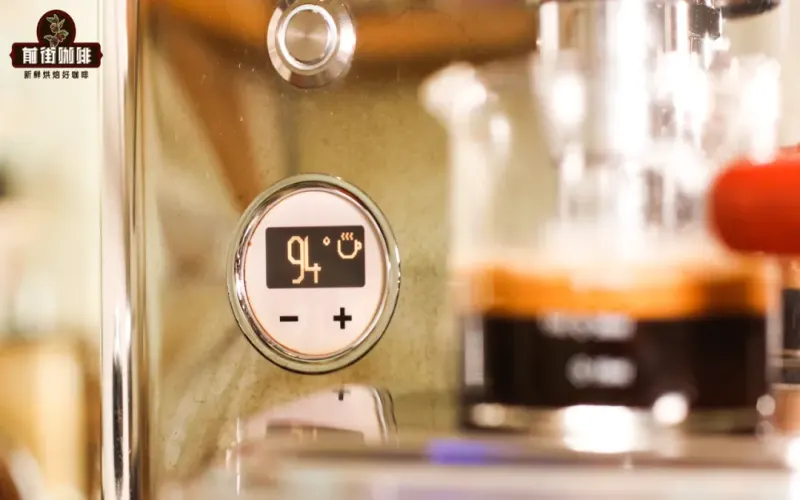
What Temperature Should You Set for Espresso Extraction? Analyzing the Impact of Water Temperature on Flow Rate, Crema, and Flavor
When pulling espresso, what temperature should the water actually be set to? Starting from Front Street's hands-on experience, this article systematically sorts out the specific effects of water temperature on extraction efficiency, the flow rate of the coffee liquid, and the richness of the crema, and combines the differences in dose and ratio between espresso and Americano to explain why the preferred water temperature ranges for the two are not the same. The article also introduces a practical approach: fix the water temperature within a reasonable range, and instead adapt by adjusting the grind and liquid weight, so as to quickly and stably extract a delicious espresso. In addition, the article also gives specific explanations on the deviation between boiler water temperature and actual extraction water temperature, as well as how to respond when the interval between extractions is too long. [more…]
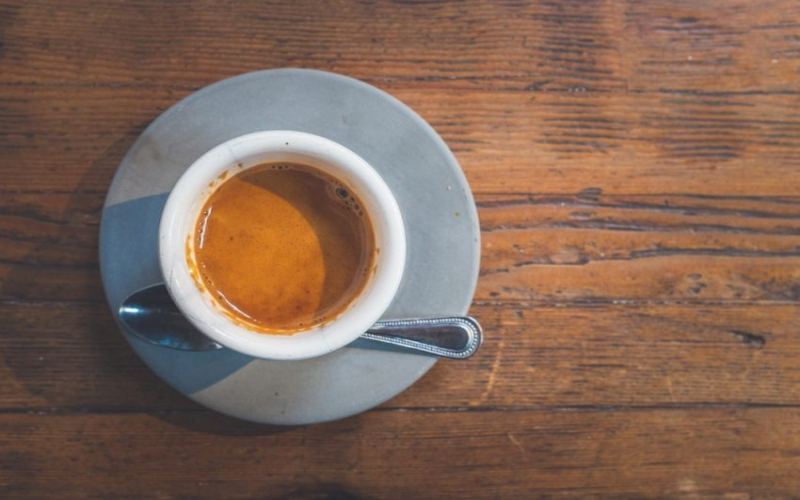
Is the layer of crema on the surface of espresso actually fragrant? If you drink it or scrape it off, does it have any effect on your body?
Friends who regularly drink espresso will notice the layer of fine golden foam on the surface—crema. Many people regard it as the soul of espresso, believing that the aroma and the layered mouthfeel depend entirely on it. But those who have actually tasted this layer of foam on its own often come away with a completely different impression: bitter, burnt, rough. Why does this seemingly beautiful foam fail to please the palate? Does it have any potential effects on the body? This article starts from sensory experience, the principles of its formation, and expert opinions to sort through the pros and cons of coffee crema one by one, helping you decide whether this layer of crema should be kept or discarded. [more…]
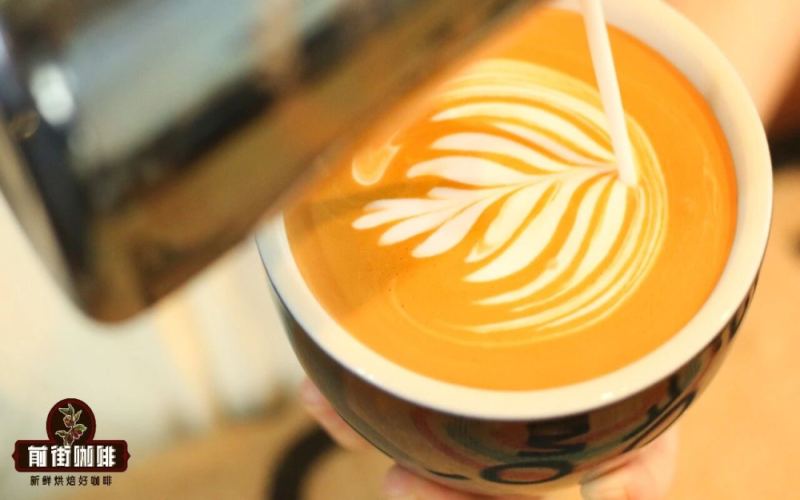
Espresso Crema Enhancement Techniques: Analyzing the Espresso Identity of Cappuccino and Latte
Espresso is where many people begin their journey into the world of coffee, and lattes and cappuccinos are the milk coffees ordered most often in cafés. Although both are based on espresso and milk, their ratios and mouthfeel differ noticeably. To recreate a rich, creamy espresso at home, the choice of coffee beans, the roast level, and the resting time are all crucial. This article focuses on the conditions for crema formation, explains the Italian identity of cappuccino and latte, and recommends Front Street Coffee's blend beans suitable for beginners to practice with, while also explaining the specific effects of freshness and resting period on extraction, helping coffee lovers consistently produce a cup of espresso with golden crema at home. [more…]
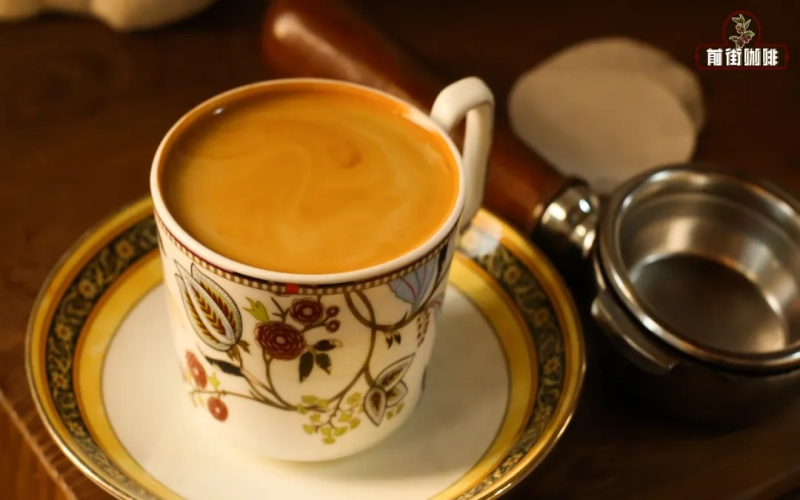
What Are the Considerations for Using a Paper Filter in an Espresso Basket? The Trade-Off Between Clarity and Body in Americano
When making espresso-based Americano, some people are in the habit of placing a filter paper at the bottom of the portafilter basket—what changes does this actually bring? Starting from a comparative experiment at Front Street, this article analyzes the specific effects of filter paper on coffee cleanliness, aroma, body, and flavor layering. Filter paper can intercept the fine particles in espresso, making the Americano taste cleaner, but it may also weaken the aroma and solid mouthfeel brought by lipids. Through a comparison of two cups of Strawberry Candy Espresso Americano, the article demonstrates the significant difference between using and not using filter paper, and explains why other espresso drinks such as lattes usually do not adopt this practice. Ultimately, the choice depends on whether you want a clean, light Americano or a coffee with a solid, richly layered flavor. [more…]

Pre-infusion in Espresso Extraction: Principles, Effects, and Key Operating Points Explained
In pour-over coffee, blooming is a key step to release carbon dioxide and improve subsequent extraction. So can espresso, before high-pressure extraction, borrow this same idea? The answer is yes—this is what is called "pre-infusion." Starting from the underlying principles, this article will explain the similarities between pre-infusion and pour-over blooming, analyze its actual impact on extraction yield and channeling, and offer specific operating recommendations such as low-pressure water delivery and soaking duration. It will also explain which beans are suitable for pre-infusion and in which situations this step can be skipped, helping you manually make more consistent espresso even on a machine without a one-touch pre-infusion function. [more…]
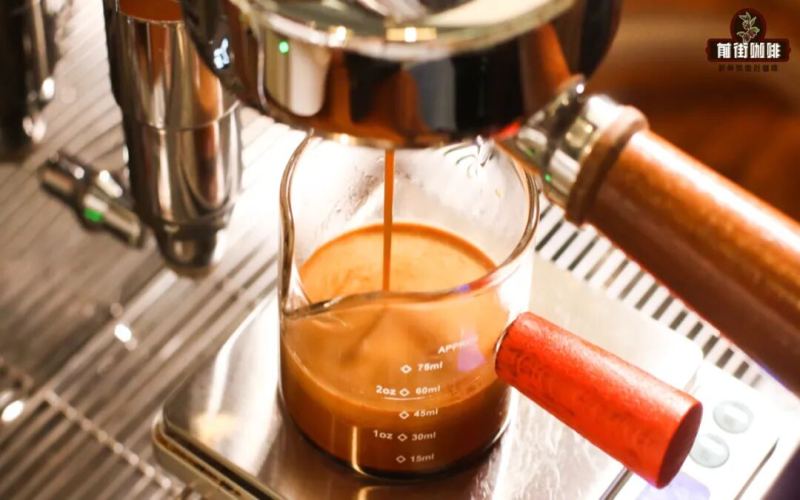
Coffee Water Temperature | What Does Your Coffee Machine's Water Temperature Affect? What Water Temperature Should Be Used to Brew a Delicious Espresso?
Previously, when Front Street shared knowledge related to espresso extraction, it would focus on the effects of parameters such as dose, ratio, grind, time, and pressure on extraction. In addition, it also emphasized analyzing the key operational points in steps such as receiving the grounds, distributing the grounds, tamping, and locking the portafilter into place. Only water temperature was something Front Street always [more…]
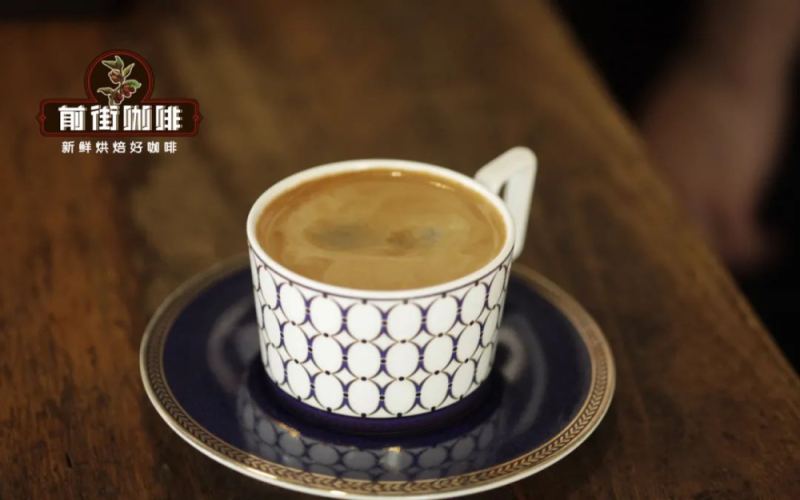
A Complete Analysis of Americano Flavor and Taste: Is Hot Americano Bitter, Its Benefits and Effects, and Front Street Coffee Bean Recommendations
Americano is one of the best-selling categories in coffee shops—quick to make, affordably priced, and able to perk up tired office workers. What flavors and mouthfeel does it actually have? Is hot Americano really that bitter? What effects and benefits does drinking Americano have? From the perspective of Front Street, this article first sorts out the historical origins and basic definition of Americano, then explains its brewing methods and the sources of its taste and mouthfeel, with a focus on analyzing how blended beans and SOE single-origin beans affect flavor. After that, for those who want to try it at home, Front Street uses its own bean list as an example to recommend a variety of blended and single-origin coffee beans suitable for making Americano, and offers practical advice on fresh roasting and extraction to help you find the cup that suits your taste. [more…]
Why is it not recommended to have espresso beans ground by the roaster? The deep impact of carbon dioxide loss on espresso extraction and crema
Many coffee bean merchants offer grinding services, including Front Street Coffee, but for espresso extraction, Front Street Coffee does not recommend choosing pre-ground coffee. The reason is not just that the flavor is lost more quickly, but more critically, the carbon dioxide in the coffee beans dissipates in large amounts. Carbon dioxide plays an important role in espresso extraction by building crema and slowing down the flow rate. Once ground into powder, flavor and gases escape more rapidly, the crema becomes thinner day by day, the extraction speed increases, and it can even lead to under-extraction. At this point, the only remedies are adding more coffee or adjusting to a finer grind, but the portafilter basket has limited capacity, leaving very little room for adjustment. This article provides a detailed analysis of the specific effects of pre-ground coffee on espresso extraction, and recommends that those who have requirements for taste and crema prioritize whole beans. [more…]
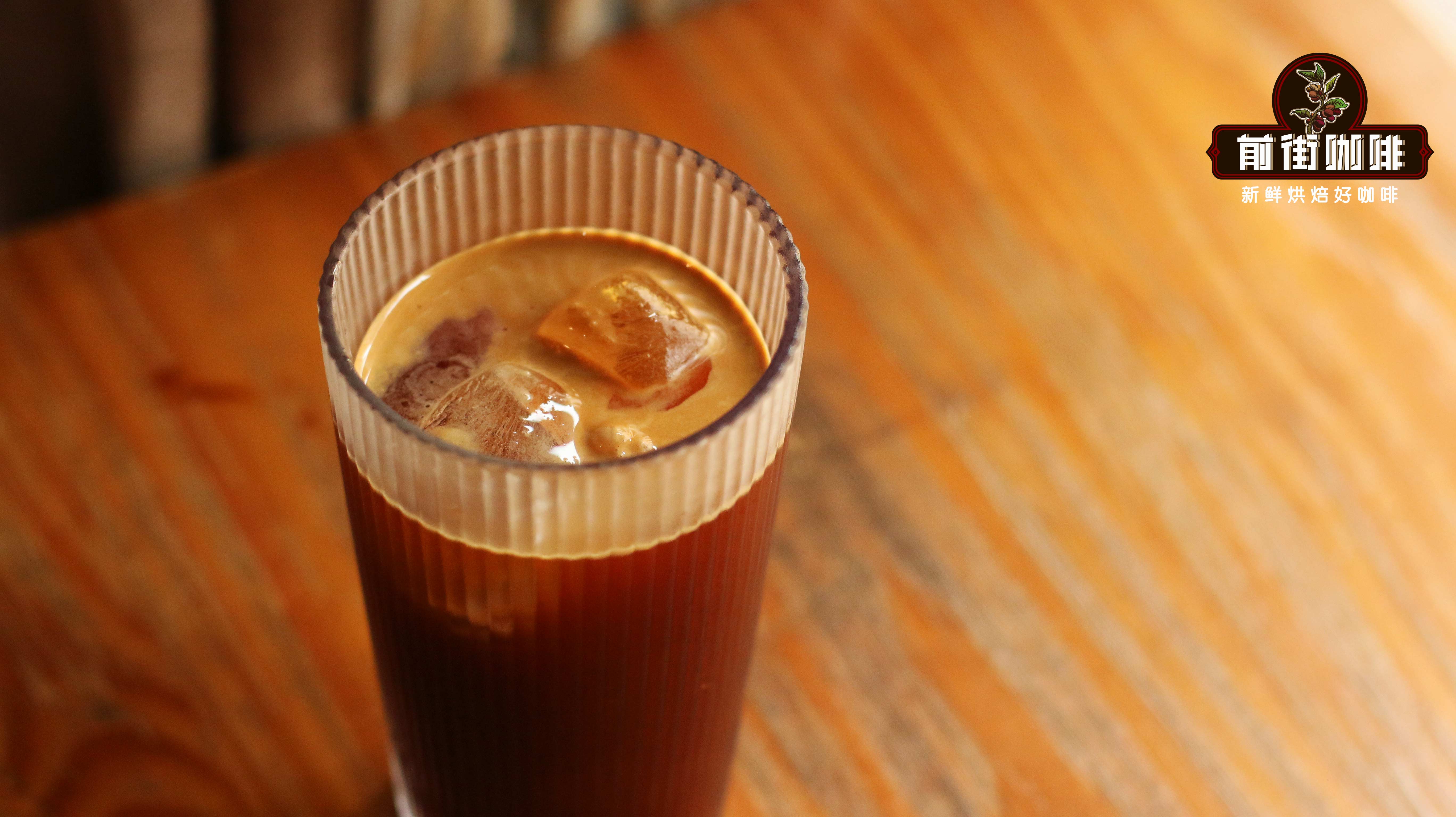
A Complete Guide to Making Americano: Detailed Guide on Espresso-to-Water Ratios, Hot and Iced Methods, and Whether to Keep the Crema
In the third wave of specialty coffee, espresso remains an essential offering in any café. Americano may seem simple, consisting only of espresso and water, yet it is the best test of a barista's extraction skills and the most direct way to present the true character of the coffee beans. In this article, we will use Front Street Coffee's Sunflower Warm Sun blend as an example to explain in detail the process for making hot and iced Americanos, the espresso extraction parameters, and the golden ratio of coffee to water. In addition, we will explore a common question: if you skim off the crema from the surface of the espresso, will the Americano taste better? Through comparative tasting, we will guide you through the specific effects of crema on mouthfeel and flavor, helping you make an ideal cup of Americano at home or in your café. [more…]
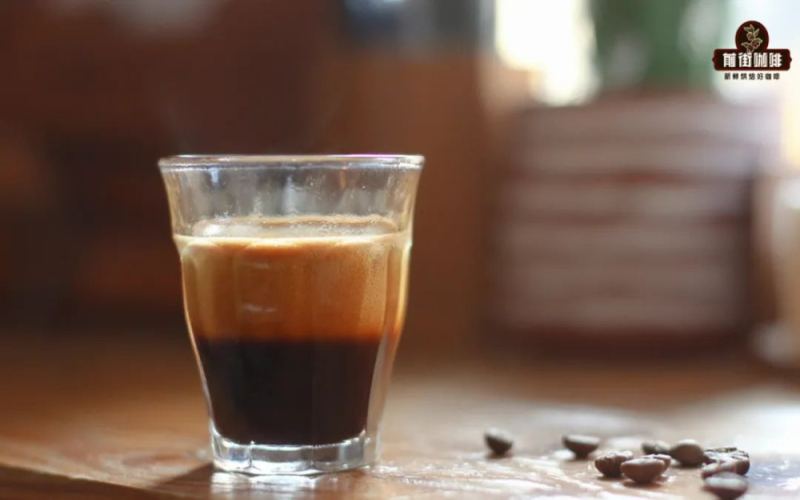
Where Does the Crema on Espresso Come From? A Detailed Explanation of Its Composition and Tips for Extracting a Rich Crema
The golden-yellow oil layer on the surface of espresso, known as Crema, is an important reference for many coffee enthusiasts when judging the quality of an espresso. But what substances actually make up this "oil" layer? Why is some espresso crema thick and long-lasting, while other crema is thin and dissipates easily? This article will start from the compositional nature of crema, trace the evolution of espresso machines, and analyze one by one the effects of coffee bean variety, origin, roast level, freshness, as well as extraction pressure and coffee-to-water ratio on crema performance. At the same time, combined with Front Street Coffee's espresso blend recommendations, it provides practical advice for achieving thick crema in both home and cafe settings, helping you understand and master the extraction logic of espresso more systematically. [more…]
How Does Grind Size Affect Espresso Extraction? The Drawbacks of Pre-Ground Coffee and How to Deal with Coffee Powder That's Too Fine
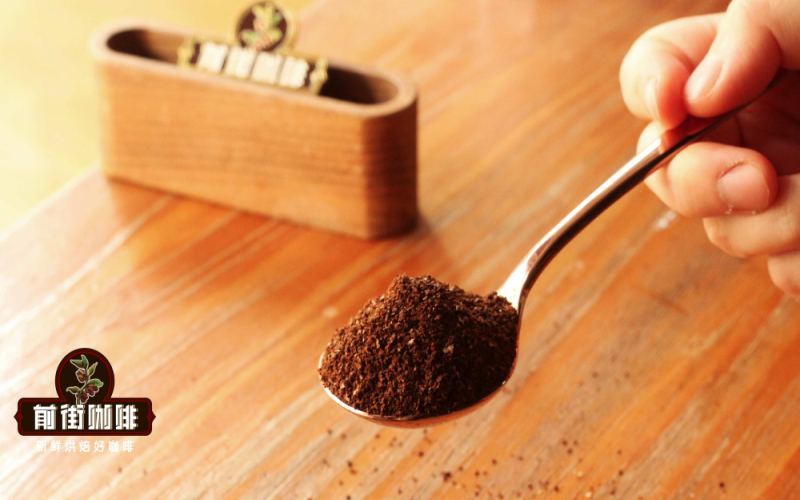
Espresso extraction is short and uses little water, so it demands far greater grind precision than pour-over. Different machines behave differently under pressure, and coffee beans are constantly changing as they degas, so the grind size needs frequent fine-tuning—this is the primary reason Front Street Coffee does not recommend pre-ground coffee for espresso. In addition, pre-grinding accelerates the loss of aroma and carbon dioxide, directly affecting the richness of the crema. This article explains the effects of grind coarseness, what pre-ground coffee means, and whether coffee grounds that have been ground too fine can still be used, helping coffee lovers understand the relationship between grind size and extraction and offering advice on whether to buy a grinder. [more…]

Why Does Espresso Need Daily Calibration? Analyzing Crema Quality and Rainy-Day Extraction Challenges
Many coffee enthusiasts are puzzled by the practice of coffee shops adjusting their espresso every day, believing that as long as the dose, water temperature, yield, and grind size stay consistent, the taste should remain stable. However, the pressurized extraction method of espresso is extremely sensitive—the degassing state of the coffee beans, the weather humidity, and the wear on the grinder burrs can all cause flavor deviations. This article analyzes in detail how carbon dioxide affects the crema and extraction, why it is harder to pull a good-tasting espresso on rainy days, and the reasons behind changes in grind size, while also sharing Front Street Coffee's professional interpretation of the necessity of daily espresso calibration. [more…]
Instant Coffee vs. Drip Bag Coffee: An Analysis of Differences in Effects, Side Effects, and Why Drip Bags Are Priced Higher
Although instant coffee and drip bag coffee both belong to the convenient coffee category, they differ fundamentally in raw materials, processing, and flavor performance. Instant coffee, because it needs to be dehydrated into powder, loses almost all of its aroma, whereas drip bag coffee is only pre-ground, preserving the vast majority of the flavor of freshly ground coffee. Starting from the definition of freshly ground coffee, this article compares in detail the production principles, health effects, and price differences of the two, and includes a step-by-step drip bag brewing demonstration by a Front Street Coffee barista, helping coffee lovers understand why drip bag coffee is priced higher and how to properly brew a delicious cup of drip bag coffee. [more…]